Sponsored article
As technology rapidly advances, the realm of modern warfare is increasingly embracing autonomous defense systems. These sophisticated technologies promise to revolutionize military capabilities, offering enhanced precision and reduced risks for human soldiers. However, this shift raises important questions about the ethical and strategic dimensions of employing such systems in combat scenarios. Explore how autonomous defense systems are poised to shape the future of military engagements.
The evolution of autonomous technology in defense systems marks a transformative era in military innovation, reshaping how nations protect their airspace and territories. Historically, defense systems relied heavily on human operation, but with advancements in technology, a significant shift towards automation has occurred. Early milestones include the development of automated targeting systems in the late 20th century, which set the stage for integrating AI in military operations. Noteworthy breakthroughs:
These innovations reflect a trend towards leveraging sophisticated AI algorithms and advanced materials in defense systems, with autonomous technology serving as a critical element in modern warfare’s strategic landscape.
The deployment of autonomous weapons systems in modern warfare presents complex ethical implications that continue to fuel intense debates within military ethics communities and among global policymakers. As these technologies advance, they challenge traditional wartime ethics by potentially minimizing human oversight and the moral agency traditionally held by soldiers. The strategy behind implementing autonomous weapons in defense systems sparks concerns over accountability, decision-making capabilities, and potential escalation of conflict. As nations incorporate these systems into their military arsenals, the strategic implications extend to altering the dynamics of power on a geopolitical scale, potentially catalyzing an arms race in AI-driven warfare technologies. These considerations highlight the urgent need for comprehensive ethical frameworks and international regulatory measures to govern the use of autonomous weapons. Addressing these issues is crucial to ensure that the future of warfare remains aligned with humanitarian values and that technological advancements do not compromise global stability.
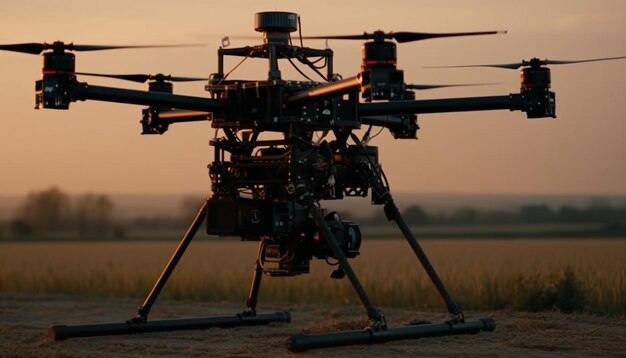
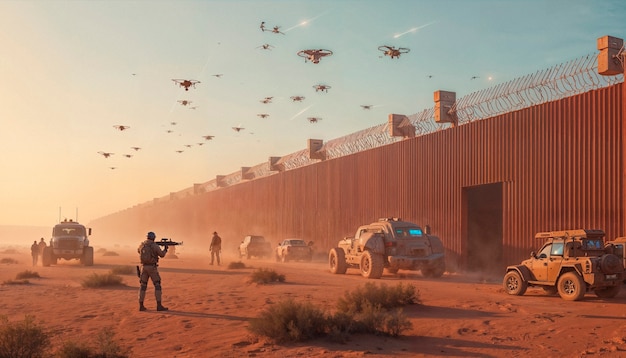
The integration of AI and machine learning into military systems marks a transformative shift in defense technology, offering unprecedented advantages for modern warfare. AI-enhanced autonomous defense systems are now capable of analyzing vast datasets to swiftly identify threats and execute tasks with precision, minimizing the margin for human error. This integration allows for real-time decision-making and adaptive responses in complex environments, ensuring enhanced situational awareness and strategic superiority. Machine learning algorithms empower these systems to learn from each engagement, evolving over time to address new challenges. For instance, AI-driven drones are being deployed for reconnaissance, surveillance, and target acquisition, while machine learning-powered cybersecurity tools are fortifying networks against cyber threats. The ongoing development of AI in autonomous defense technology represents a significant leap forward, promising more efficient, reliable, and resilient military operations in the battlefield of the future.