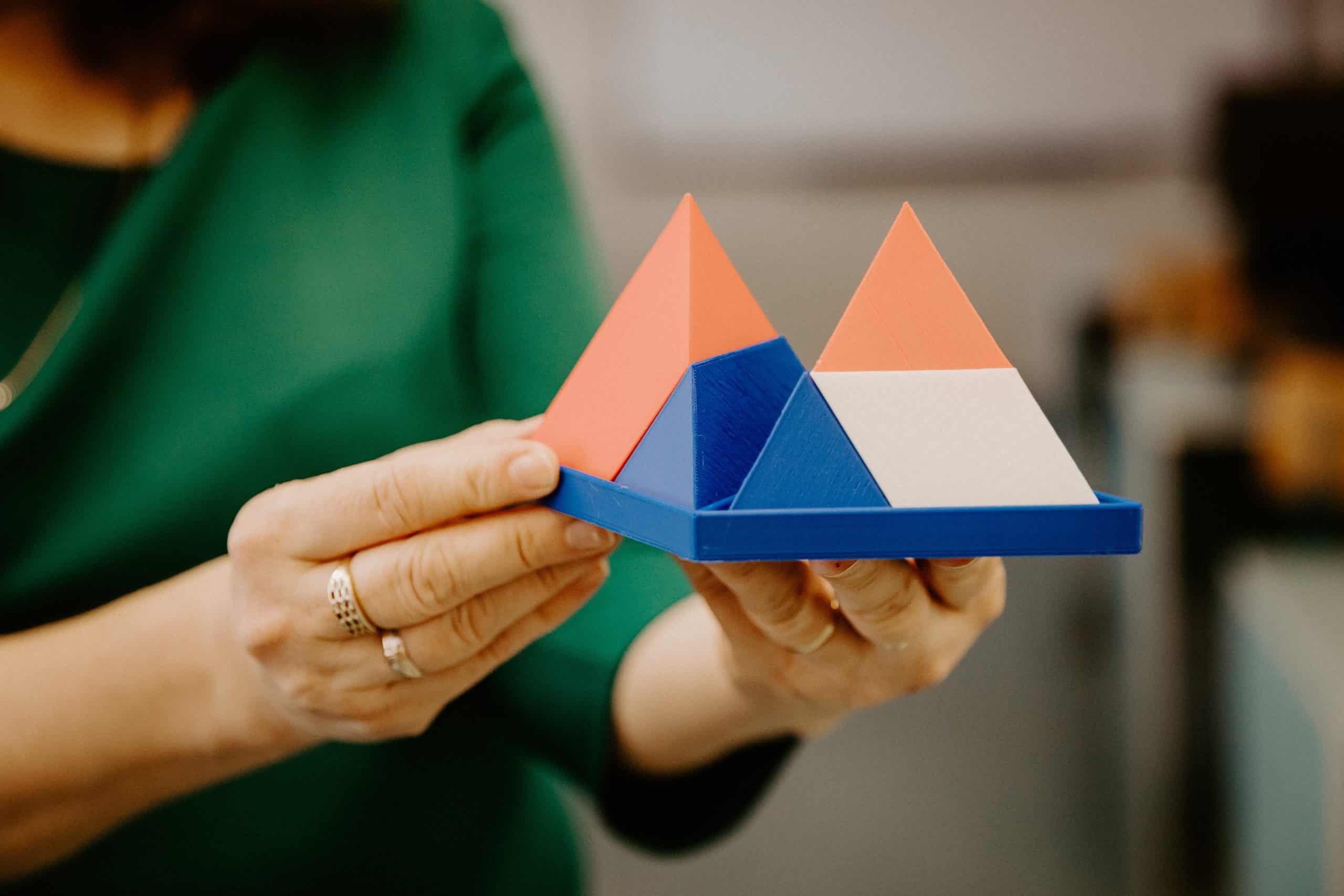
In about recent years, 3D technology has revolutionized the architectural industry, and thereby allowing designers and engineers to create intricate and realistic models of skyscrapers.
3D technology has empowered architects and engineers by providing them with a powerful tool to visualize and communicate their designs. Skyscrapers, being complex structures, require meticulous planning and precise execution. 3D modeling allows professionals to create virtual representations of skyscrapers models, enabling them to study various aspects, including structural integrity, aesthetics, and functionality, before any physical construction begins.However, along with the advancements, several myths and misconceptions have emerged.
One common myth surrounding 3D technology in skyscraper modeling is that it lacks accuracy. On the contrary, 3D modeling software, coupled with advanced techniques such as Building Information Modeling (BIM), offers unparalleled precision. With the ability to input precise measurements, materials, and environmental factors, architects can ensure that their designs are structurally sound and functional.
Another misconception is that 3D models are purely fictional and do not accurately represent the final structure. In reality, 3D technology allows for highly detailed and realistic visualizations of skyscrapers. With sophisticated rendering capabilities, designers can showcase how the building will look in different lighting conditions, materials, and even simulate how it will blend into its surrounding environment.
One prevailing myth is that 3D modeling for skyscrapers is an expensive and time-consuming process. While it is true that implementing 3D technology requires an initial investment in software and hardware, it can ultimately save time and money during the design and construction phases. By identifying potential design flaws or conflicts early on, architects can avoid costly rework and delays that may arise during the construction stage.
Some people believe that 3D technology is only suitable for small-scale projects and cannot handle the complexity of skyscrapers. However, this is far from the truth. 3D modeling software has evolved to accommodate large-scale projects, including skyscrapers. The technology can handle the intricate details of complex structures, such as the arrangement of building systems, structural connections, and even simulate wind and seismic forces on the building.
Main photo: Trnava University/unsplash.com
Sponsored text